Game theory and proof




Data Sheet

OVERALL DURATION OF THE PATH ON AVERAGE: 15 hours
CLASSES: 4th and 5th grade. However, it's possible to adapt the work for the first two grades.
Skills:
The pupil:
- reads and understands texts involving logical and mathematical aspects;
- solves simple problems in every content area, keeping track of both the solving process and the results, describes the process followed and recognises solution strategies different from their own;
- builds arguments by formulating hypotheses, supporting their own ideas and engaging with other people's points of view.
METHODS:
MULTIDISCIPLINARY LINKS:
italian
The route was designed by Luigi Bernardi, Marta Menghini with the great help of the book "Raccolta di giochi a due" by Lucia Salomone.
No activities yet: more are coming soon!
No activities yet: more are coming soon!
Data Sheet
OVERALL DURATION OF THE PATH ON AVERAGE: 15 hours
CLASSES: 4th and 5th grade. However, it's possible to adapt the work for the first two grades.
Skills:
The pupil:
- reads and understands texts involving logical and mathematical aspects;
- solves simple problems in every content area, keeping track of both the solving process and the results, describes the process followed and recognises solution strategies different from their own;
- builds arguments by formulating hypotheses, supporting their own ideas and engaging with other people's points of view.
METHODS:
MULTIDISCIPLINARY LINKS:
italian
The route was designed by Luigi Bernardi, Marta Menghini with the great help of the book "Raccolta di giochi a due" by Lucia Salomone.
Ada Lovelace

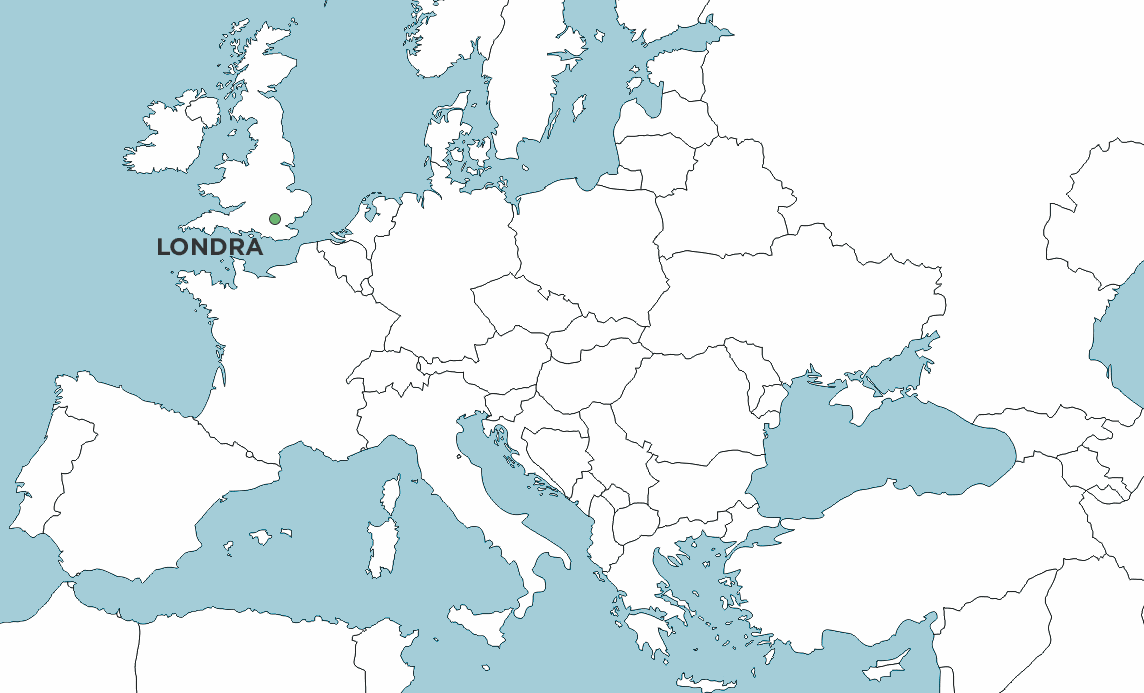
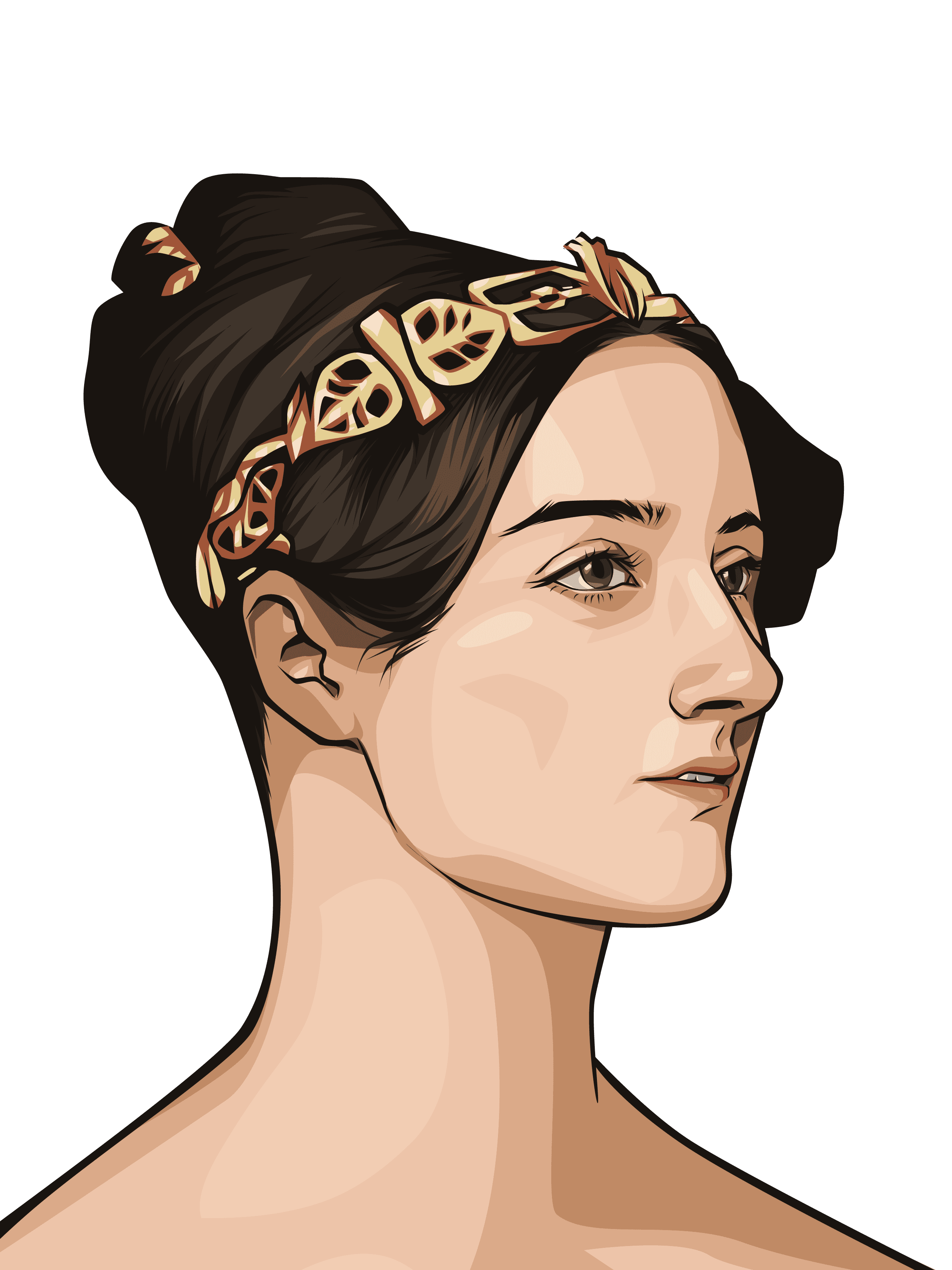 Ada Byron Lovelace is considered a pioneer of computer science. She inherited the gifts of both her parents, the mathematician Annabella Milbanke and the famous poet George Byron, and so became a mathematician and a writer. Her mother encouraged her passion for science by having her study with the mathematician and astronomer Mary Somerville and by taking her to the most industrialised areas of England. It was on one of these journeys that she saw the Jacquard loom, which later gave her the idea of using punched cards to program the first calculating machines. In 1833 Ada met Charles Babbage, an English mathematician and inventor who was working on the analytical engine, a mechanical device designed to carry out calculations automatically. Fascinated by this ingenious project, Ada began working with Babbage to explore what the machine could do. The machine was never built, but Ada realised, more than Babbage did, that computers would go beyond the ability to calculate. In 1843 Ada translated an article by the Italian mathematician Luigi Menabrea on Babbage's ideas, adding long and detailed notes. These notes, known as Ada's Notes, contained the first real algorithm meant to be carried out by a machine, anticipating the idea of computer programming. Sadly, Ada Lovelace's life was short: she died of cancer at only 36.
“The Analytical Engine weaves algebraical patterns just as the Jacquard loom weaves flowers and leaves.”