Geometry and arithmetic
Data Sheet

OVERALL DURATION OF THE PATH ON AVERAGE: 12-18 hours
CLASSES: 6, 7 and 8.
Skills:
The pupil:
- recognises and names shapes in the plane and in space and their representations, and grasps the relationships between their elements;
- uses and interprets mathematical language (Cartesian plane, formulas, equations, ...) and grasps its relationship with natural language.
METHODS:
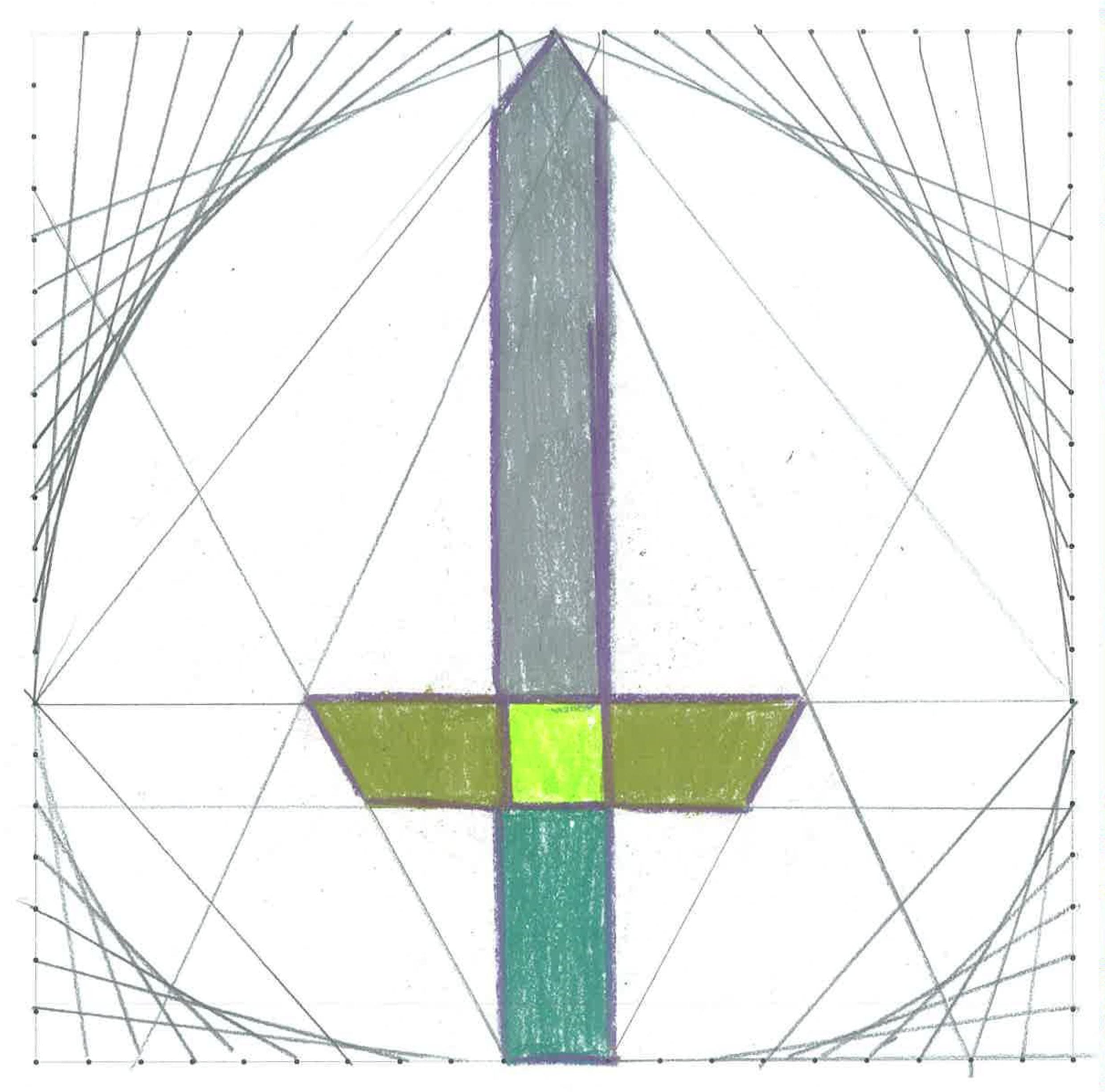
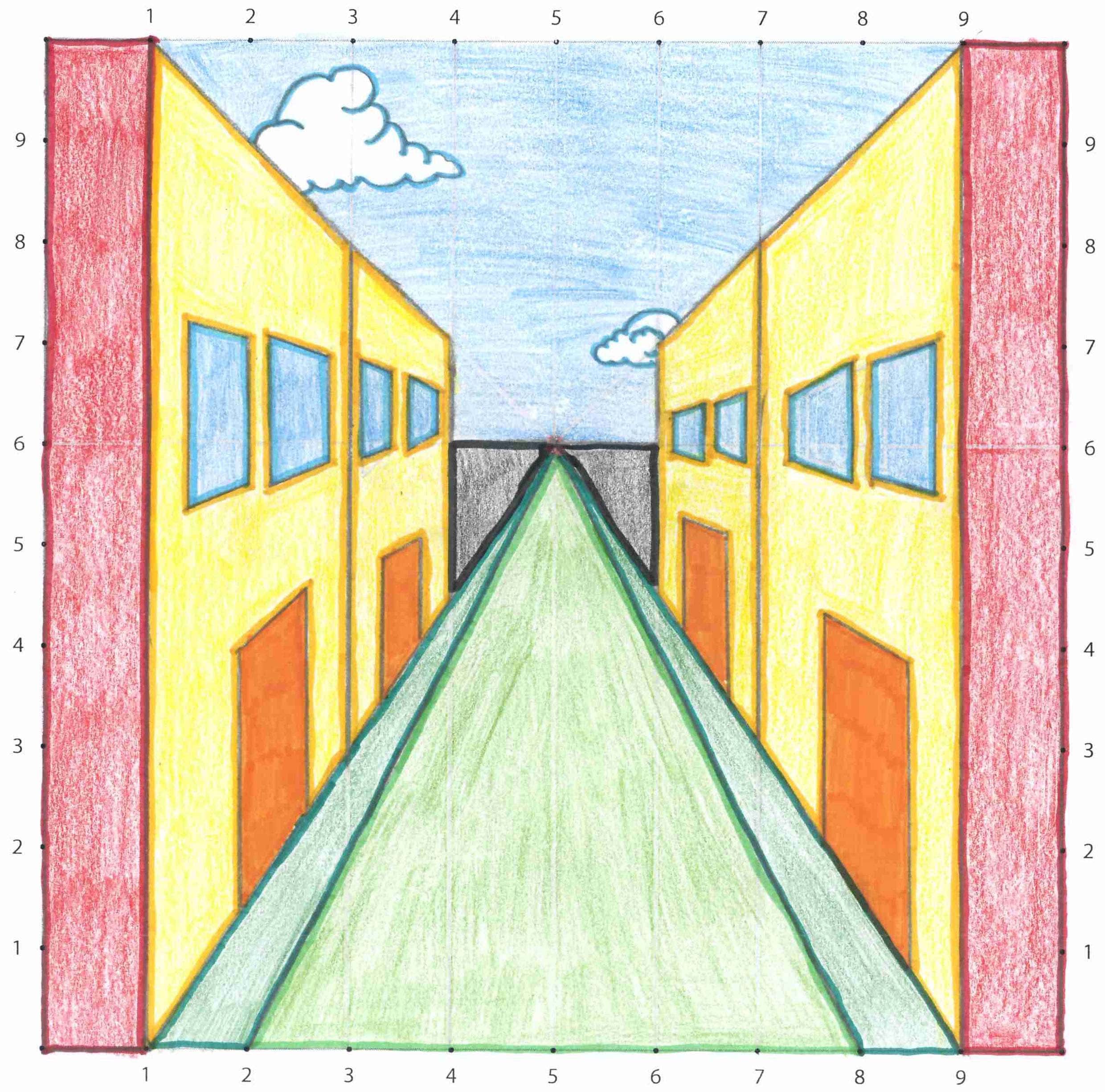
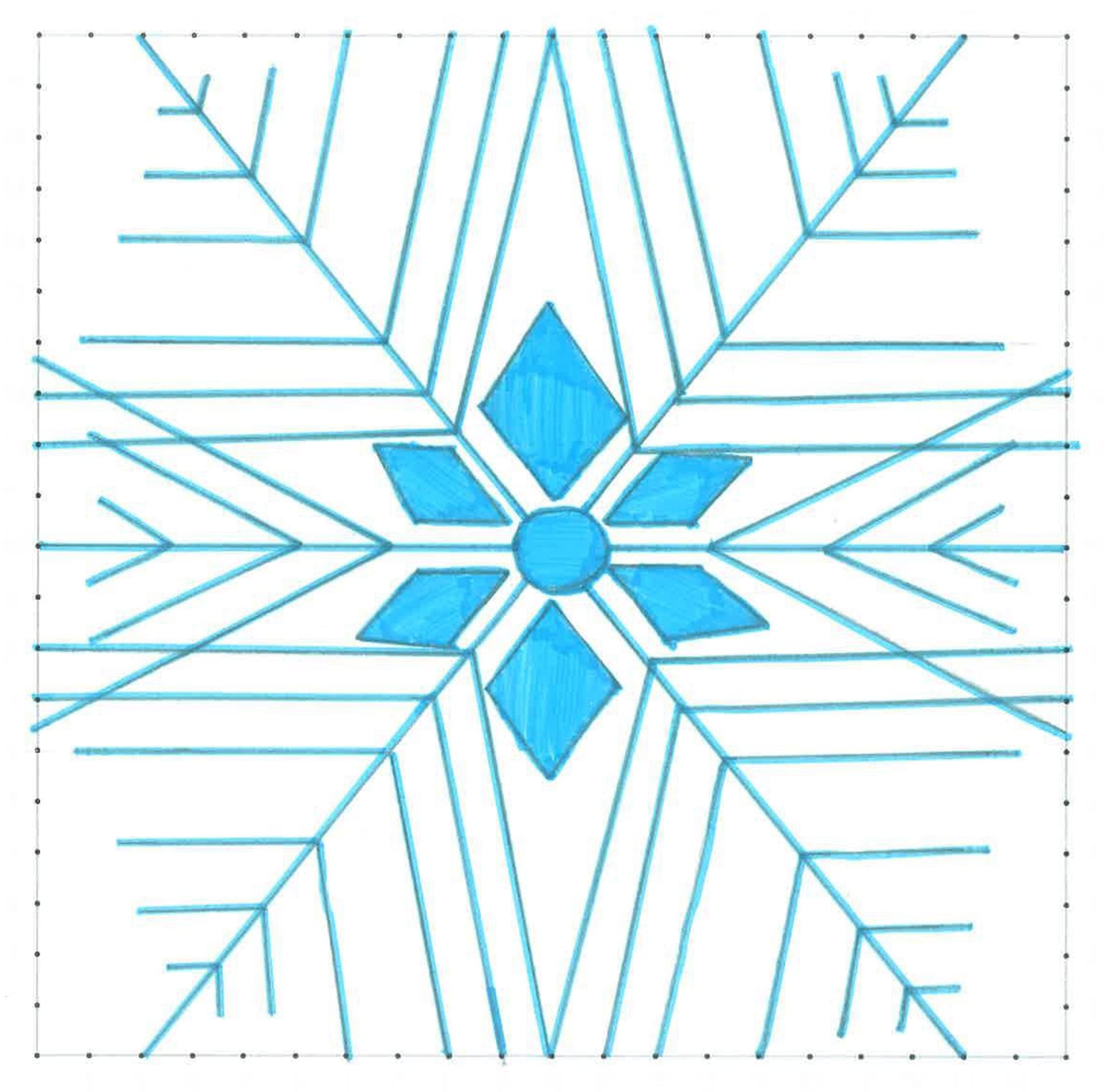
The pathway leaves plenty of room for the class to explore and work things out. It is therefore important for the teacher to follow, where possible, the intuition of each pupil, offering personalised activities when needed. Different artefacts are used, such as strings, a ruler, numbered tables and an online game, which convey the various mathematical meanings involved (with reference to the theory of semiotic mediation, V. Hasan 2002). The numbered tables help to link geometric properties with arithmetic patterns.
MULTIDISCIPLINARY LINKS:
art and image, technology.
This pathway was designed by Luigi Bernardi and Giorgia Damiano.

Data Sheet
OVERALL DURATION OF THE PATH ON AVERAGE: 12-18 hours
CLASSES: 6, 7 and 8.
Skills:
The pupil:
- recognises and names shapes in the plane and in space and their representations, and grasps the relationships between their elements;
- uses and interprets mathematical language (Cartesian plane, formulas, equations, ...) and grasps its relationship with natural language.
METHODS:
The pathway leaves plenty of room for the class to explore and work things out. It is therefore important for the teacher to follow, where possible, the intuition of each pupil, offering personalised activities when needed. Different artefacts are used, such as strings, a ruler, numbered tables and an online game, which convey the various mathematical meanings involved (with reference to the theory of semiotic mediation, V. Hasan 2002). The numbered tables help to link geometric properties with arithmetic patterns.
MULTIDISCIPLINARY LINKS:
art and image, technology.
This pathway was designed by Luigi Bernardi and Giorgia Damiano.
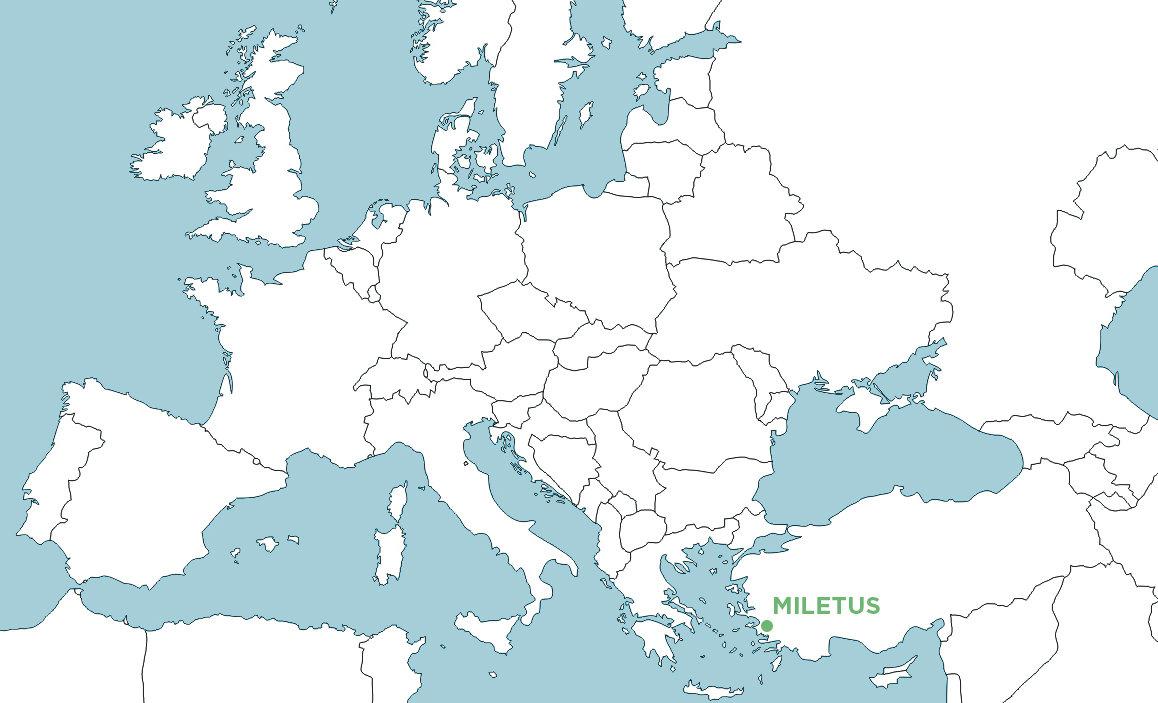
Thales of Miletus

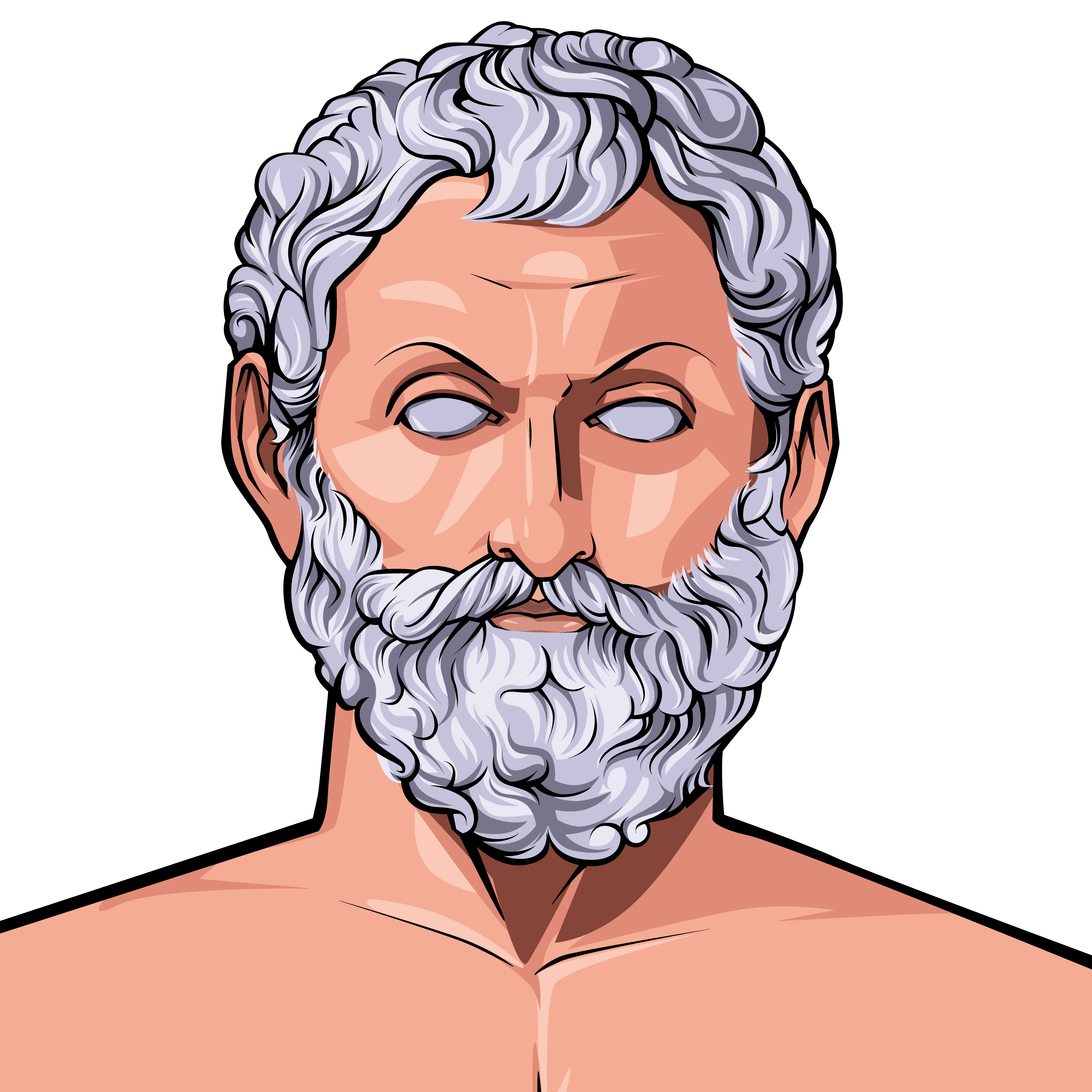 Thales is the first known philosopher and mathematician of the Western world, considered one of the seven sages of antiquity. He left no writings, but many speak of him, including Plato, Aristotle, Herodotus. Many discoveries in astronomy and mathematics are attributed to Thales. Among these, the fact that a triangle inscribed in a semicircle is a rectangle. Particularly famous is the story according to which, during a trip to Egypt, Thales was able to measure the height of the pyramid of Cheops based on the comparison between the shadow of the pyramid and the shadow produced by a stick planted in the sand. This was acived basing precisely on the theorem that today bears his name (but only in Italy and France).