Logic and computer science

Data Sheet

OVERALL DURATION OF THE PATH ON AVERAGE: 10-15 hours
CLASSES: 6, 7 and 8.
Skills:
The pupil:
- recognises and solves problems in different contexts, assessing the information and its consistency;
- compares different procedures and produces formalisations that allow them to move from a specific problem to a class of problems;
- produces arguments based on the theoretical knowledge acquired (for example, can use the concepts of characterising property and of definition);
- uses and interprets mathematical language (Cartesian plane, formulas, equations, ...) and grasps its relationship with natural language.
METHODS:
The pathway deals with how we express ourselves and reason. It is best to proceed gradually; a conscious use of everyday language should always be encouraged, noticing how small changes in a sentence can completely change its meaning.
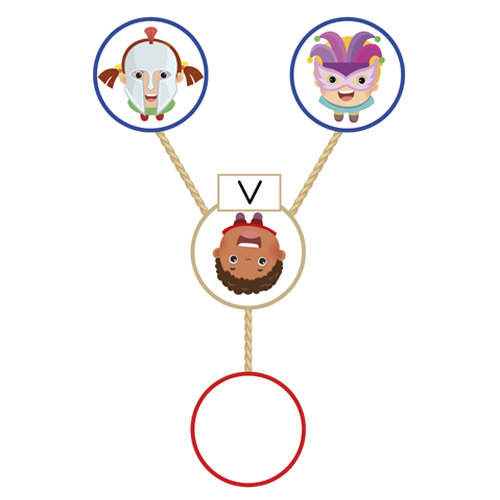
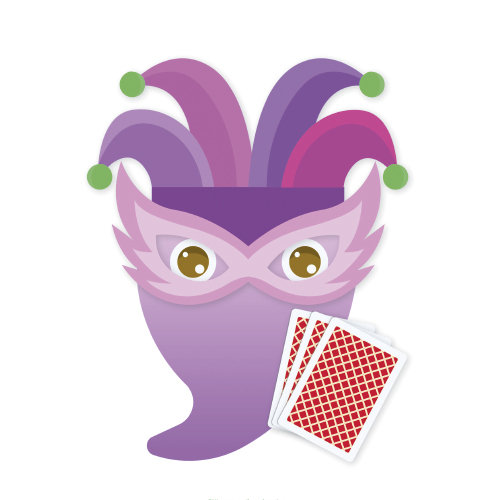
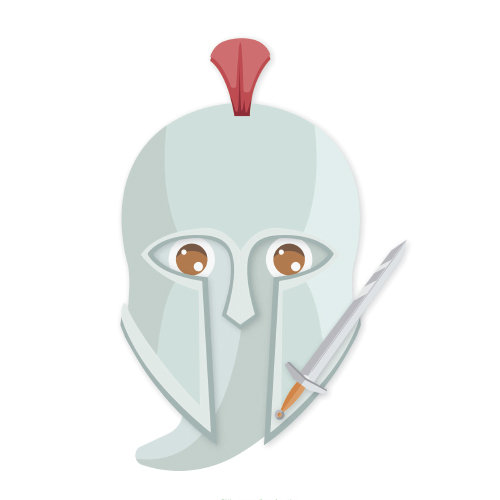
Our pathway takes place in a game setting that brings together various artefacts and interpretive registers: drama, the simulation of Boolean circuits, discussion about symbols, worksheets on predicates, solving equations by trial and error, and the online game. Two characters appear in all these activities: the knight and the knave. As in Zermelo, the aim is to highlight the relationship between logic, language and mathematical reasoning, drawing attention to relevant parts of speech, mathematical and otherwise (Durand-Guerrier 2021).
MULTIDISCIPLINARY LINKS:
English.
This pathway was designed by Emmanuel Beffara, Luigi Bernardi and Giorgia Damiano.

Data Sheet
OVERALL DURATION OF THE PATH ON AVERAGE: 10-15 hours
CLASSES: 6, 7 and 8.
Skills:
The pupil:
- recognises and solves problems in different contexts, assessing the information and its consistency;
- compares different procedures and produces formalisations that allow them to move from a specific problem to a class of problems;
- produces arguments based on the theoretical knowledge acquired (for example, can use the concepts of characterising property and of definition);
- uses and interprets mathematical language (Cartesian plane, formulas, equations, ...) and grasps its relationship with natural language.
METHODS:
The pathway deals with how we express ourselves and reason. It is best to proceed gradually; a conscious use of everyday language should always be encouraged, noticing how small changes in a sentence can completely change its meaning.
Our pathway takes place in a game setting that brings together various artefacts and interpretive registers: drama, the simulation of Boolean circuits, discussion about symbols, worksheets on predicates, solving equations by trial and error, and the online game. Two characters appear in all these activities: the knight and the knave. As in Zermelo, the aim is to highlight the relationship between logic, language and mathematical reasoning, drawing attention to relevant parts of speech, mathematical and otherwise (Durand-Guerrier 2021).
MULTIDISCIPLINARY LINKS:
English.
This pathway was designed by Emmanuel Beffara, Luigi Bernardi and Giorgia Damiano.
George Boole

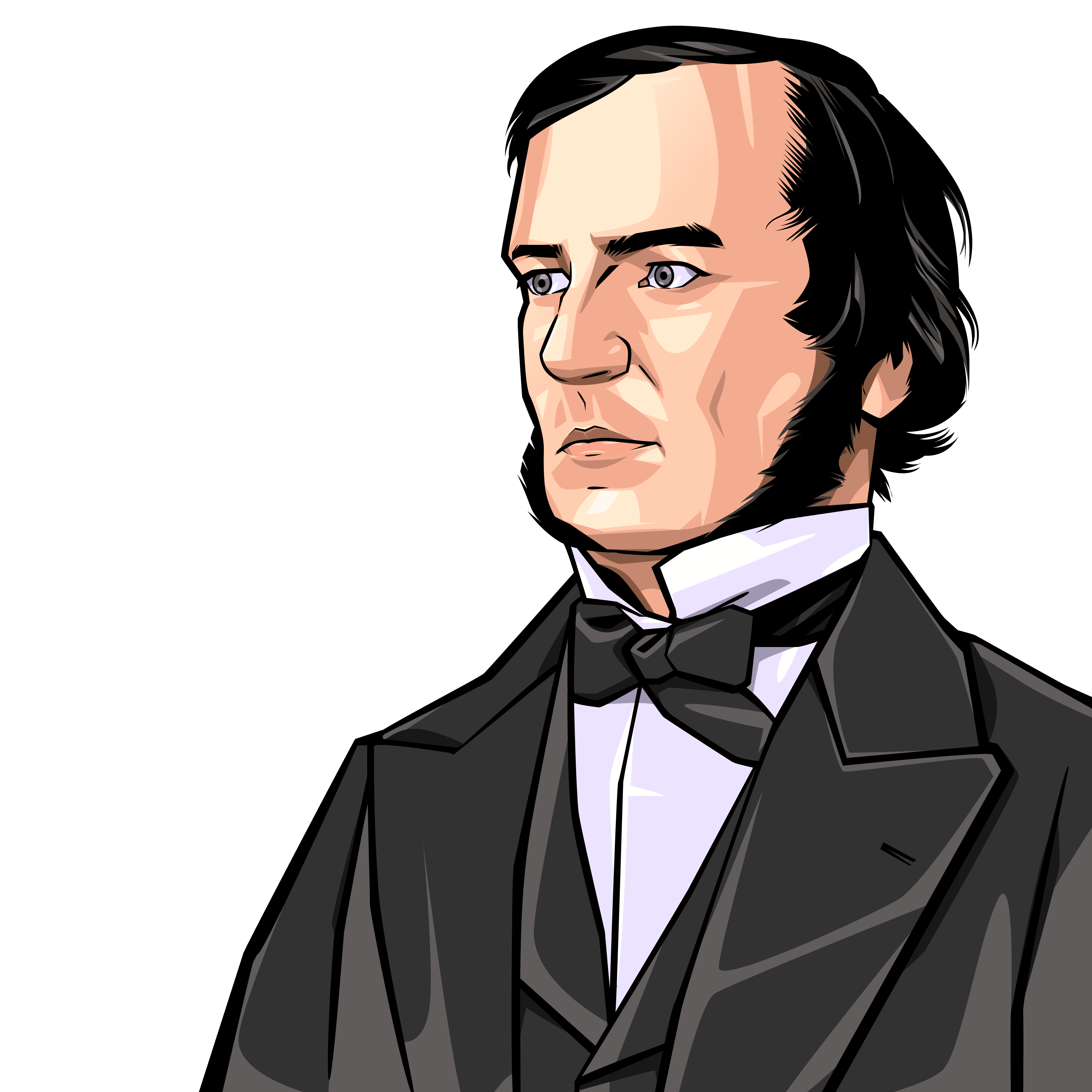 George Boole is one of the founders of modern mathematical logic.
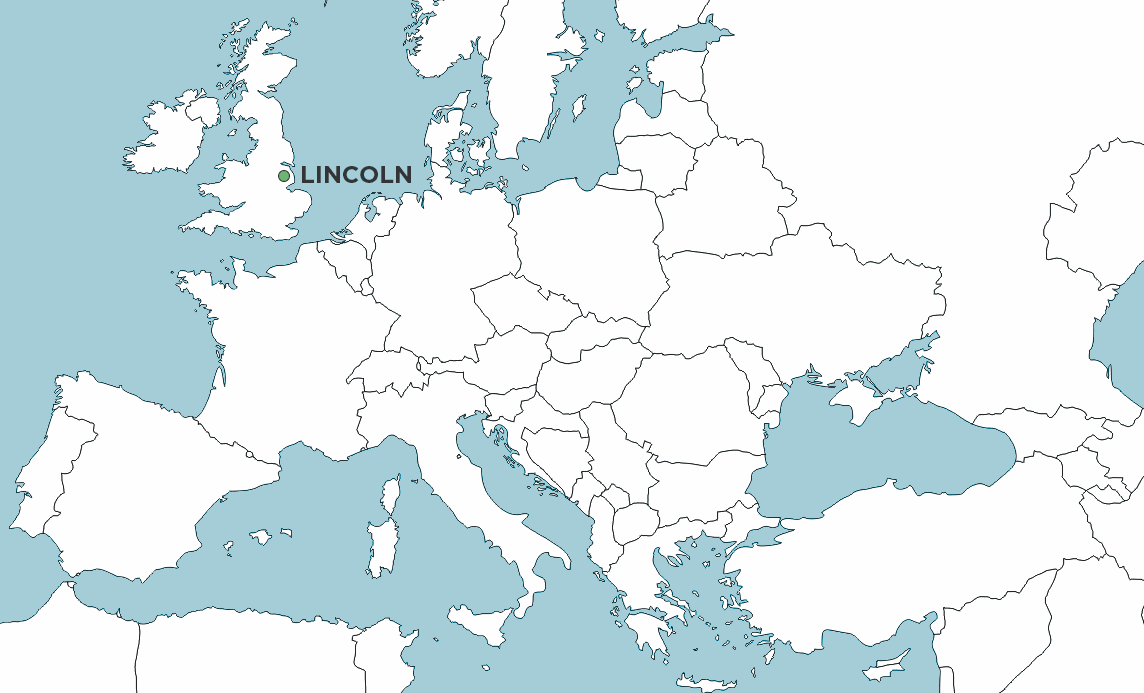
He was born in Britain and taught for many years in Ireland. He died of pneumonia before the age of fifty. It is said that he had been soaked by a violent downpour and, being late for his lecture, did not change his clothes: the pneumonia may have come from this very passion for teaching.
In his research he set out to study the logical rules of reasoning and to express them in a symbolic, mathematical kind of language. Today his name is linked to Boolean algebras, of great importance in both mathematics and computer science.

Mary Everest Boole
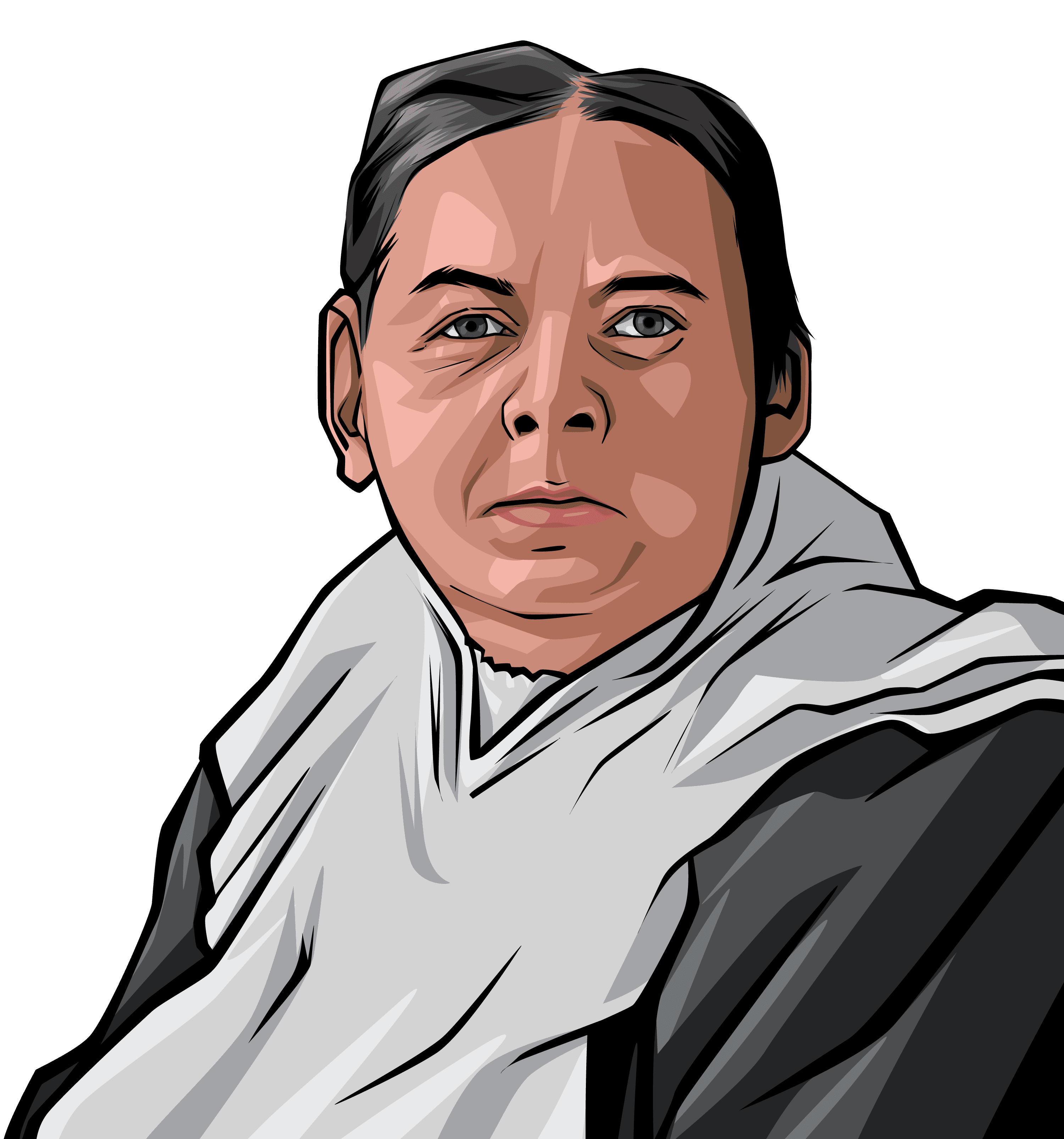 Mary Everest Boole pursued her interest in mathematics, logic and the psychology of learning mostly at home, teaching herself. She also had tutors, the last of whom was George Boole, also self-taught, whom she married in 1855. Mary contributed to the edition of Boole's works on logic and algebra.
When George Boole died, after 10 years of marriage and 5 daughters, Mary went to work in the library of Queen's College, one of the first colleges for women in London. There she began to hold informal seminars for the students on the scientific education of girls and boys, spreading her ideas on child psychology. She developed several methods for learning mathematics. One of these was “curve stitching”, which consisted of joining points on the edge of embroidery cloth with taut threads, producing configurations and envelopes of curves (much like what we propose in the TALES pathway). Mary believed that this activity, which she recommended from early childhood, stimulates the mathematical imagination. She thought pupils should be given mathematical objects to play with, developing ideas of regularity and mental patterns at their own pace. Scientific thinking should advance by constantly questioning itself: giving children ready-made scientific explanations, while hiding the path followed to reach them, would spoil their teaching power.
“It is a mistake to suppose that the only possible preparation for science is early teaching of scientific subjects. An early attitude is far more important than early teaching.”